
Voltaire
Voltaire said "perfection is the enemy of the good".  The Texas Supreme Court disagrees.

Blawgletter recalls our horror, on a fall day in 1981, when the civil procedure professor revealed that appellate courts could — in fact usually must — delay correcting egregious trial court errors until after final judgment.  But why, we wanted
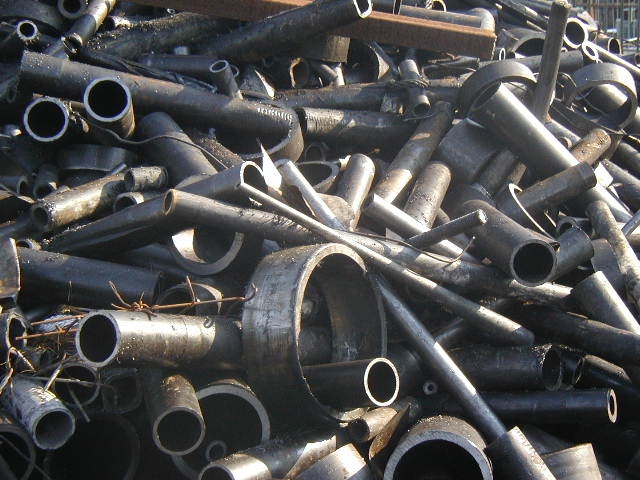
Scrapmetal
Tubular, man!

The Sixth Circuit yesterday upheld an $11.5 million jury award to a class of Northeastern Ohio scrap metal "generators".  The generators alleged that scrap "processors" conspired not to compete with each other on bids for the ferrous and non-ferrous stuff the generators generated.  The result?  Lower prices for their scrap.  About, oh

The ebb and flow of law fascinates Blawgletter.  Every week brings new surprises. 

We hold special fondness for the hard and messy work of presiding over trials.  We admire even more the jurors who recreate democracy with each verdict they render.

And yet every day we see court of appeals decisions that uphold shortcuts and

A question of leverage.  Chief Justice John G. Roberts volunteered the other day, at a moot court competition, that "a class action is a dramatic departure from the normal rules of litigation." He went on to suggest that the device serves merely to increase plaintiffs’ leverage in settlement talks.

Hmmm. True, aggregating small claims

An ancient doctrine.  A new twist on the good old cy pres doctrine lets judges redirect money that a defendant presumptively owes to a group of people — often members of a class in a class action — to other deserving folks.  That doesn’t sound good.  Why on Earth should a court divert funds